
Maps
Explore the 6 large-scale launch maps of Hell Let Loose: Vietnam — jungles, rice paddies, rivers and airfields with sectors, capture points and role strategies.
Introduction
The Maps category covers the 6 large-scale theatres of Hell Let Loose: Vietnam, each recreated from a real Vietnam War battlefield. Two maps are officially confirmed before launch: Thanh Hóa Bridge, the key target of US bombing campaigns in North Vietnam, and Đắk Tô Airfield, set in the Central Highlands around the 1967 battle. The remaining four — dense Jungle, open Rice Paddies, the riverine River Delta and elevated Central Highlands terrain — are drawn from the game's Operation Starlite and Operation Piranha inspirations. Every map is a huge, sector-divided battlefield with its own terrain, capture points, sightlines and ambush spots. This category breaks down each map's layout, where the fighting concentrates, which roles shine, and the sniper, helicopter and patrol-boat positions that win matches. Because map details are still being confirmed before the August 13 launch, community-reported information is clearly labelled.
Launch Maps Reference
| Map | Terrain | Faction Lean | Key Feature |
|---|---|---|---|
| Thanh Hóa Bridge | Bridge & urban | US / NVA | Key US bombing target |
| Đắk Tô Airfield | Central Highlands | US / NVA | 1967 airfield battle |
| Jungle | Dense canopy | NVA favored | Tunnels and ambushes |
| Rice Paddies | Open fields | US / NVA | Long sightlines |
| River Delta | River networks | Both | Patrol boat combat |
| Central Highlands | Hills & forest | US / NVA | Elevation warfare |
Map Roster
Thanh Hóa Bridge
Confirmed — the key US bombing target
Đắk Tô Airfield
Confirmed — Central Highlands airfield
Jungle
Dense canopy, short sightlines
Rice Paddies
Open fields, long sightlines
River Delta
Patrol boat combat zone
Central Highlands
Hills, elevation and jungle
Core Mechanics
Every Hell Let Loose: Vietnam map is a large, sector-divided battlefield that plays differently depending on terrain. Jungle maps compress sightlines to a few meters and favor NVA tunnel networks, ambushes and the fast-crawl movement mechanic, while open Rice Paddies reward long-range marksmen and disciplined cover-to-cover movement. The River Delta introduces a unique naval layer: heavily armed patrol boats fight for control of the water routes that connect sectors, making riverine combat a deciding factor. Elevated Central Highlands terrain gives defenders strong sightlines over approach routes and rewards recon roles. The two confirmed maps anchor the rotation: Thanh Hóa Bridge funnels fighting across a contested river crossing, and Đắk Tô Airfield is a sprawling airfield complex in the mountains. Sector control, garrison placement and the capture-point flow all change based on which theatre you are fighting in.
Advantages
The 6-map launch lineup gives Hell Let Loose: Vietnam genuine variety rather than reskinned arenas. The mix of dense jungle, open paddies, river networks and highland hills means every match tests a different mix of skills — one round you are fighting in the dark under jungle canopy, the next you are crossing an exposed bridge under machine-gun fire. The two officially confirmed historical maps, Thanh Hóa Bridge and Đắk Tô Airfield, are grounded in real Vietnam War battles, which gives the maps authenticity and memorable landmarks for callouts. The River Delta's patrol-boat layer is a genuinely new tactical dimension for the series, rewarding squads that coordinate water and land movement. For players who love map knowledge as a competitive edge, this category is the place to build it.
Challenges
The biggest challenge with the Maps category is pre-launch uncertainty. Only two of the six maps — Thanh Hóa Bridge and Đắk Tô Airfield — are officially confirmed before the August 13, 2026 launch, so four maps are described from the game's Operation Starlite and Operation Piranha inspirations and community reports, and may change. Map guides written now must be clearly marked as speculative where they rely on unconfirmed details. The maps are also genuinely large, which makes them hard to learn quickly: new players will get lost in the jungle and river deltas for their first several sessions. Guides need to focus on landmarks, sector flow and role-specific positions rather than trying to map every meter of terrain.
Frequently Asked Questions
How many maps are in Hell Let Loose: Vietnam?+
Which maps favor the NVA?+
What is the best map for snipers?+
Do patrol boats matter on every map?+
Quick Tips
Learn two maps deeply before the launch rather than all six superficially. Thanh Hóa Bridge teaches the funneled river crossing and coordinated attacks, while Jungle teaches ambush and tunnel play. Two maps you know in detail will win you more matches than six you barely remember. Landmark callouts and sector awareness turn this knowledge into a repeatable advantage.
On River Delta, a single patrol boat squad can lock down a river crossing for the whole team. Pair the boat with a garrison behind the bank so infantry can spawn and support the water fight — the combination controls the crossing and keeps your team a forward presence. Landmark callouts and sector awareness turn this knowledge into a repeatable advantage.
Mark landmarks in your Squad Leader callouts instead of describing terrain. Saying bridge left or hangar north gives your squad an instant mental image, while pointing at a bush they cannot see is useless. Landmarks make callouts fast, precise and actionable. Landmark callouts and sector awareness turn this knowledge into a repeatable advantage.
Featured

Hell Let Loose: Vietnam All Maps Guide: Terrain & Size
Explore hell let loose vietnam maps with this full guide. Learn terrain types, map sizes, and strategic locations across jungle, rice paddies, and hills.
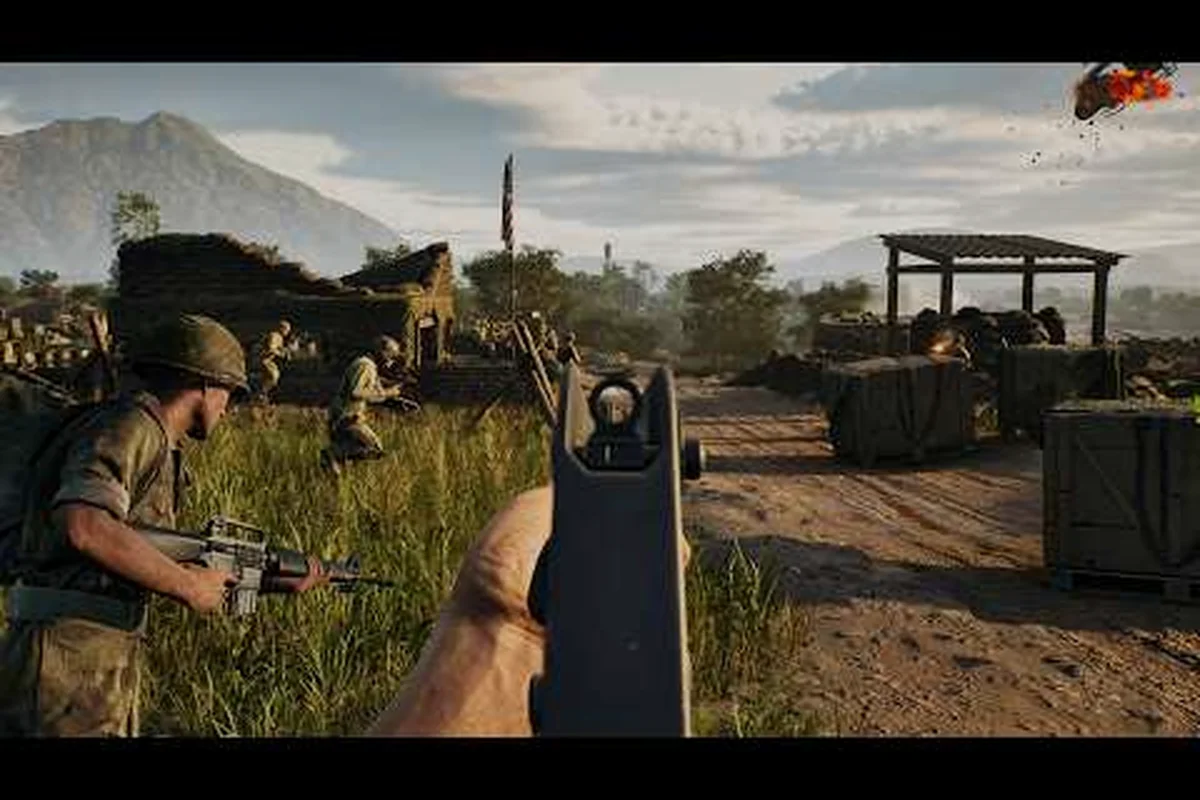
Hell Let Loose: Vietnam Map Objectives: Spawns & Strategy
Learn hell let loose vietnam map objectives with spawn points and tactical tips. Master defense and attack strategies, plus sniper spots, to outmaneuver.
Hell Let Loose: Vietnam Beach Map: Terrain & Sectors
Master hell let loose vietnam beach map terrain, including river and hill features. Learn sector layouts, capture points, and key locations.
All Articles
Hell Let Loose: Vietnam Best Map for Snipers: Ranked
Discover hell let loose vietnam best map for snipers in this ranked comparison. Evaluate launch maps, count, and new updates to find ideal long-range vantage.
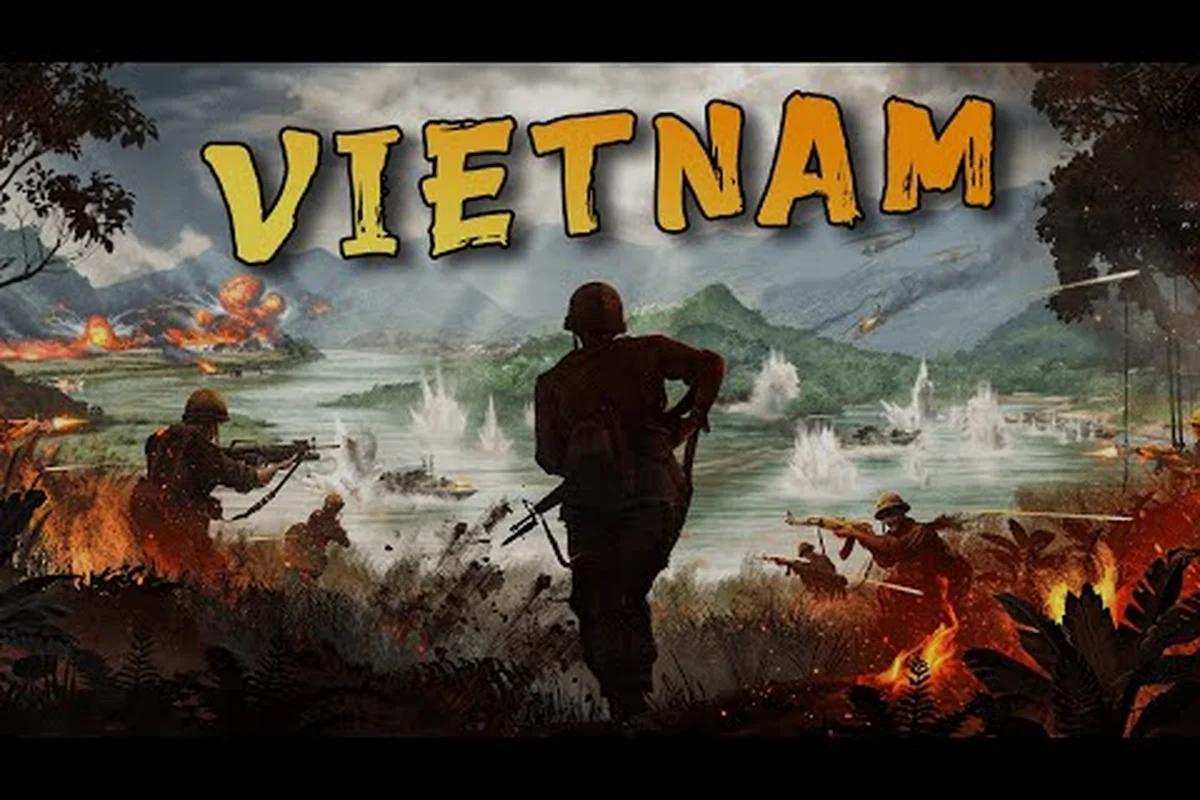
Hell Let Loose: Vietnam Central Highlands Map: Operations
Understand hell let loose vietnam central highlands map with North and South Vietnam layouts. Explore river delta terrain and Operation Starlite or Piranha.
Hell Let Loose: Vietnam Helicopter Spots Map: Overview
Master hell let loose vietnam helicopter spots map with terrain designs and overviews. Rank all maps to identify the worst and best landing zones.
Hell Let Loose: Vietnam Map Rotation: Bridge & Airfield
Understand hell let loose vietnam map rotation featuring Thanh Hoa Bridge and Dak To Airfield. Discover jungle and rice paddy layouts to prepare.